Get 20% OFF Your Countertop. Limited Time Offer

PVC Kitchen Cabinets
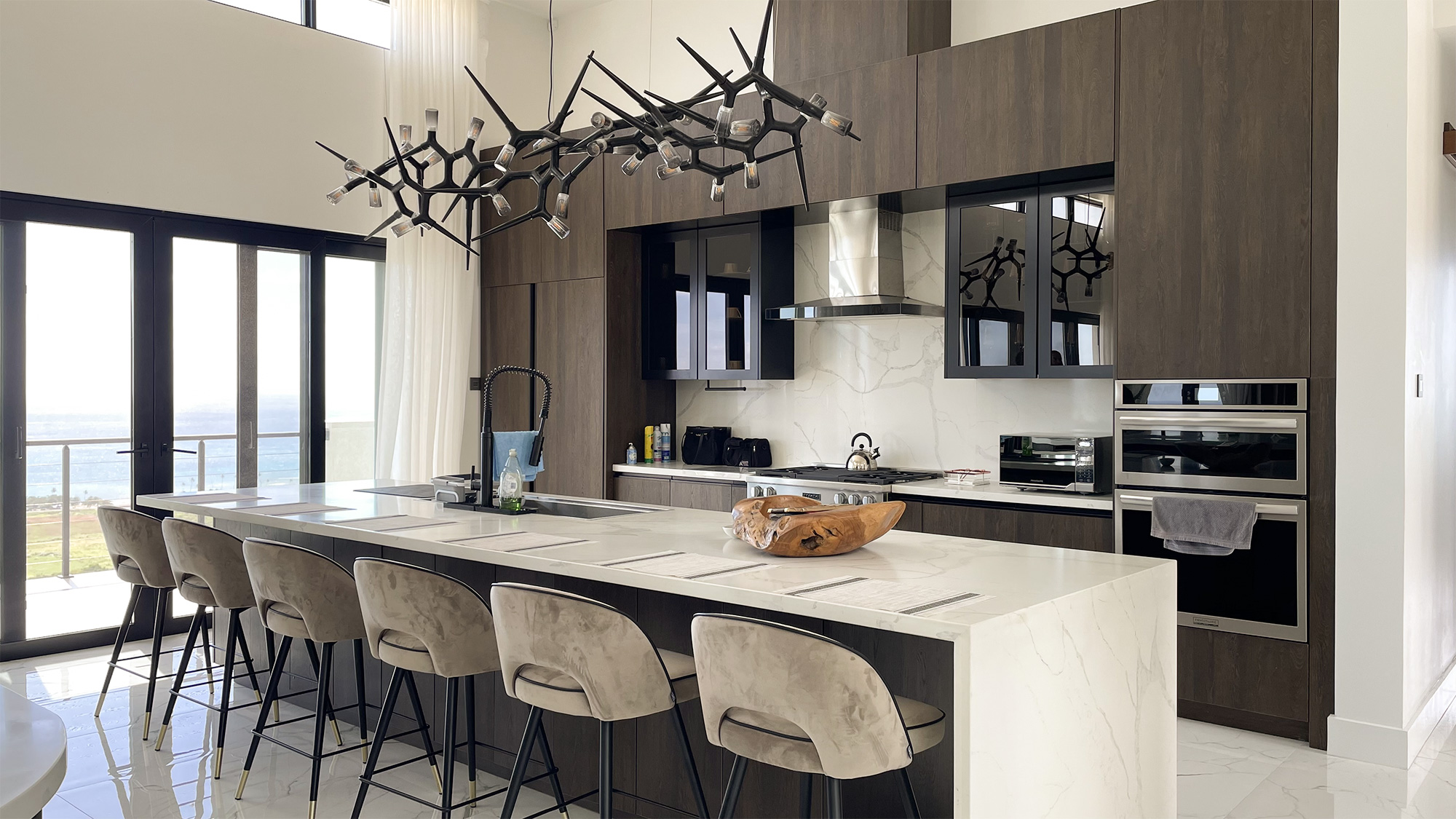
A Smarter Cabinet Solution for Caribbean Homes
Water, humidity and termites are some of the biggest concerns when selecting cabinetry for a Caribbean home. For decades, plywood and other wood-based panels have been the standard materials used for kitchen cabinet carcasses. While quality plywood remains an excellent cabinet material, homeowners are increasingly looking for alternatives that provide greater protection against two of the biggest threats to cabinetry: water and termites.
This is where PVC foam board offers a significant advantage. At Saint Lu Woodworking, we have developed a high-density PVC carcass system specifically for customers who want the moisture and termite resistance of PVC without overlooking the material’s known limitations.
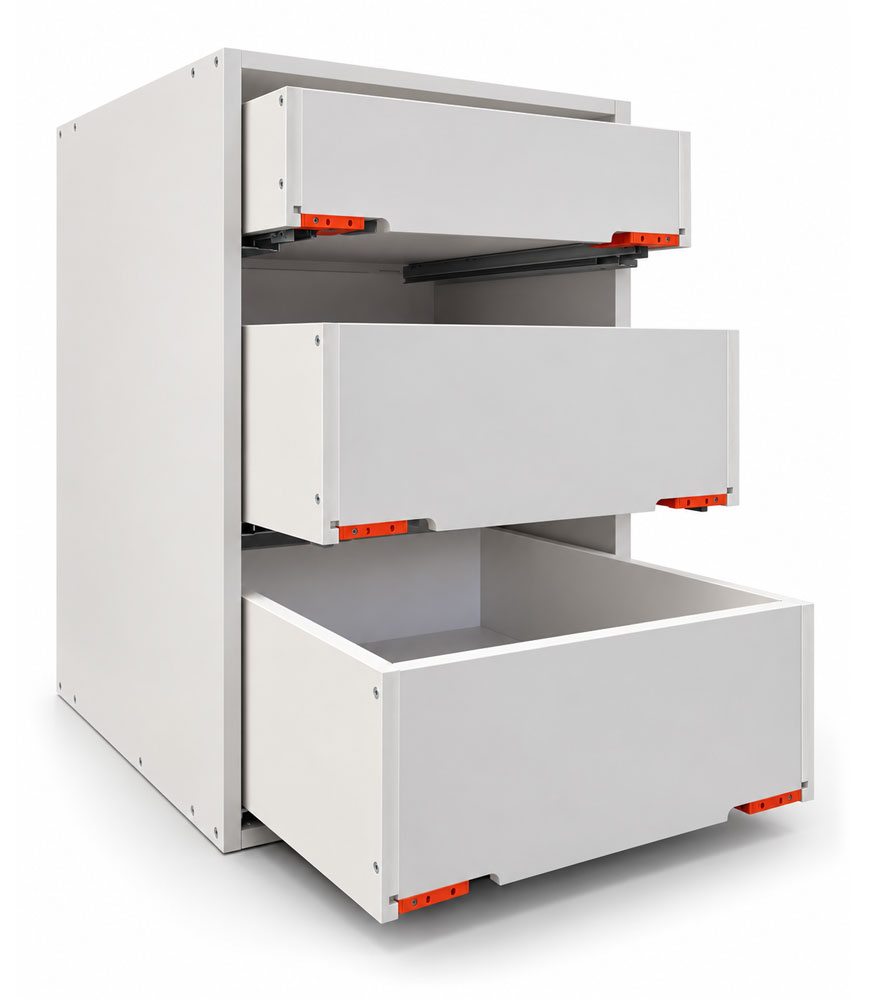
Understanding Our PVC System
What Is a Kitchen Carcass?
The carcass is the structural body or “box” of your kitchen cabinet. It includes the cabinet sides, bottoms, tops, shelves, and other structural components onto which your doors, drawer systems and hardware are installed. While cabinet doors and finishes determine much of what you see, the carcass is responsible for the structural integrity of your kitchen.
What Is PVC Celuka Foam Board?
PVC foam board is a non-wood-based engineered panel with a closed-cell structure that provides extremely low water absorption.
For cabinetry, density, thickness, and board quality matter. Lightweight PVC used for signage is very different from the high-density material required for durable kitchen cabinets—an important distinction behind the Saint Lu Woodworking PVC Kitchen System.
The Advantages of PVC Kitchen Carcasses
Waterproof Panels
One of PVC’s greatest advantages is its resistance to water. Unlike many wood-based panels, PVC does not swell or rot when exposed to moisture. This makes it ideal for kitchens, sink cabinets, bathrooms, laundry areas, humid or coastal environments, and areas prone to plumbing leaks.
Termite Proof
Termites are an unfortunate reality of living in a tropical environment. For homeowners who have previously experienced termite damage—or simply want to reduce the amount of wood-based material within their kitchen—PVC offers a significant advantage.
Humid Conditions
Our tropical environment means cabinetry is continuously exposed to relatively high humidity. PVC is dimensionally stable against changes caused specifically by moisture and does not swell as humidity increases.
Easy to Maintain
PVC surfaces are easy to clean and do not require specialized treatment to protect the underlying material from moisture. For normal maintenance, the cabinet interiors can simply be wiped using appropriate household cleaning products and a soft cloth.
Not All PVC Is Equal
PVC foam board comes in different densities, which directly affects its strength, rigidity, and screw-holding performance. While PVC commonly available in our local market is around 0.55–0.60 density, Saint Lu Woodworking uses a premium 0.70 density PVC for our kitchen carcasses.
- Better screw-holding capability
- Greater rigidity
- Improved resistance to indentation
- Better screw-holding capability
- A more substantial cabinet structure
- Improved performance for shelves and structural components
What Is a Kitchen Carcass?
The carcass is the structural body or “box” of your kitchen cabinet. It includes the cabinet sides, bottoms, tops, shelves and other structural components onto which your doors, drawer systems and hardware are installed. While cabinet doors and finishes determine much of what you see, the carcass is responsible for the structural integrity of your kitchen.
- 18mm Fronts & Side Panels
- 18mm Cabinet Carcass
- 15mm Drawers Boxes
- 6mm Backwalls & Drawer Bottoms
Design Features
- Flat panel / slab doors & fronts
- Fronts Featuring Sleek Handles / Handless Design
- Clean, streamlined layouts with minimal ornamentation
- High-quality engineered boards For Exterior Finish
- Soft-close hinges and drawer systems
- Integrated storage solutions for a clutter-free appearance
- Durable, easy-to-maintain finishes
- Precision CNC fabrication for accurate alignment and consistency
Best Suited For
- Contemporary or newly built homes
- Open-concept living spaces
- Homeowners who prefer a minimalist, modern aesthetic
- Clients seeking low-maintenance, highly functional designs